Cultural heritage of the city is highlighted very nicely in Exploring Kolkata Website. Kolkata was the epicenter of the Bengal Renaissance, a 19th-century movement that transformed Indian literature, social reform, and arts. The city is inextricably linked to Nobel laureate Rabindranath Tagore, whose ancestral home at Jorasanko Thakur Bari remains a pilgrimage site for those seeking the soul of Bengali culture. The city has a lot of cultural heritage and places to explore.
The cultural heritage of the city includes the city’s built heritage is defined by a unique fusion of European neoclassical styles and indigenous Bengali requirements. From the grand, white-marble Victoria Memorial and the red-brick Writers’ Building to the decaying aristocratic mansions (bonedi bari) of North Kolkata, the architecture tells a story of the British Raj and the wealthy Bengali elite. Signature elements like large open courtyards (uthan), slatted wooden windows (kharkharis), and intricate cast-iron balconies are central to this visual identity.
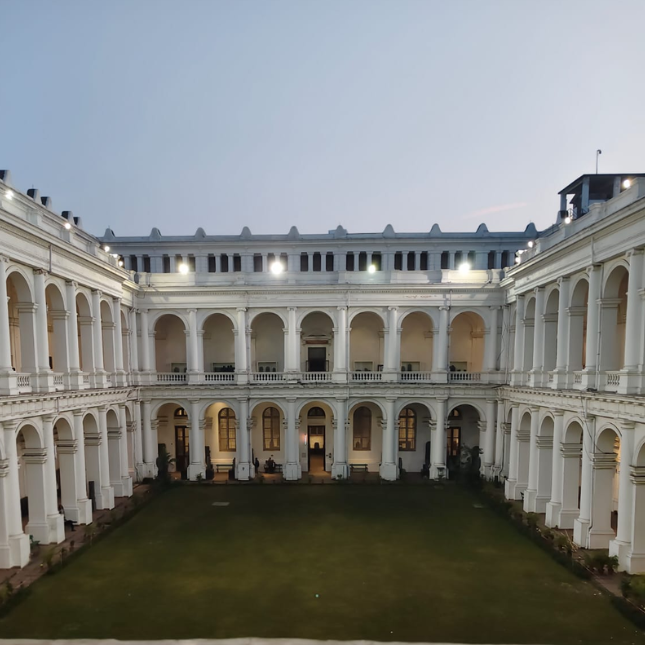
The city also has Indian Museum that is major part og the cultural heritage of the city. dating back to olden times and it serves as a heritage and attracts tourists from all over the world. Kolkata’s Durga Puja has recently been inscribed on UNESCO’s Intangible Cultural Heritage of Humanity list. For five days, the city transforms into the world’s largest open-air art gallery. Massive temporary structures called pandals are constructed with staggering creative themes, showcasing the skills of artisans from Kumartuli, the centuries-old potters’ quarter where idols are handcrafted from Hooghly River clay. Beyond the grand festivals, Kolkata is a hub for artisanal crafts that have been passed down through generations.
More about cultural heritage of the city.
Kolkata’s cultural heritage highlights the cultural heritage of the city of Joy. is a vivid tapestry of intellectual depth and architectural grandeur, earned through its legacy as the cradle of the Bengali Renaissance and the former capital of the British Raj.
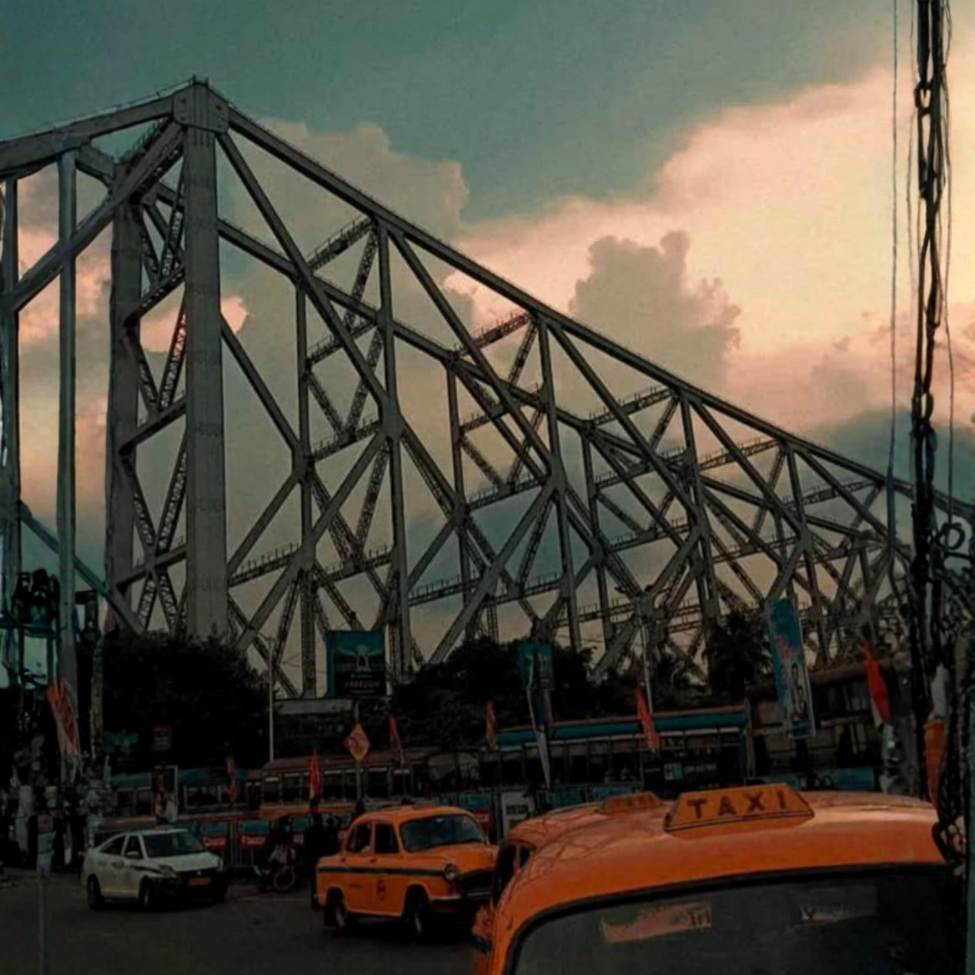
This “City of Joy” seamlessly blends the old-world charm of yellow taxis and tramcars with the majestic Neoclassical ruins of North Kolkata and the marble brilliance of the Victoria Memorial. It remains a bastion of the arts, where the poetic legacy of Rabindranath Tagore and the cinematic mastery of Satyajit Ray continue to inspire a lifestyle centered around adda—the quintessential Bengali tradition of spirited, intellectual conversation.
From the rhythmic beats of the dhaak during the UNESCO-recognized Durga Puja to the historic book stalls of College Street and the iconic flavor of Mishti Doi, Kolkata’s heritage is not merely found in its monuments but in the soul of its people, who cherish a deep-seated passion for literature, music, and revolutionary thought.
Unlike many Indian cities where old buildings are cordoned off, Kolkata lives inside its history. You’ll find 150-year-old Neoclassical mansions in North Kolkata that still house the same families, with the original “Khorkhori” (slatted wooden shutters) still being opened every morning. The city is also one of the few places in the world where trams—the oldest operating electric trolley system in Asia—still trundle through the streets, offering a slow-motion view of a city that otherwise moves at a frantic pace.
The city’s greatest heritage is arguably its mindset. The concept of Adda—an informal, hours-long gathering for conversation—is the heartbeat of the city. In the 19th century, this culture birthed the Bengali Renaissance, a period of social and religious reform led by figures like Raja Ram Mohan Roy and Ishwar Chandra Vidyasagar. Today, this translates into a city where a taxi driver might engage you in a debate about Latin American literature or European football with equal fervor. Everything here highlights the cultural heritage of the city.